Integrating SCADA systems with Battery Energy Storage Systems (BESS) in solar farms comes with its fair share of challenges. However, by addressing these hurdles head-on, solar operators can unlock substantial benefits and optimize their renewable energy production.
In this article, we will delve into the top SCADA system integration challenges faced by solar farms and explore the solutions offered by BESS technologies. By doing so, solar operators can improve the overall performance, efficiency, and reliability of their renewable energy systems.
From compatibility issues between SCADA and BESS platforms to data management and communication complexities, we will dissect each challenge and provide actionable solutions. By implementing the right strategies and leveraging the full potential of BESS integration, solar farms can enhance grid stability, ensure smooth operations, and maximize energy generation.
Stay tuned to discover how SCADA system integration challenges in solar farms can be effectively solved through the adoption of BESS technologies.
Understanding the challenges of SCADA system integration in solar farms
SCADA (Supervisory Control and Data Acquisition) systems are crucial for monitoring and controlling solar farms, yet their integration with various technologies, especially Battery Energy Storage Systems (BESS), can present significant challenges. One of the primary obstacles is the compatibility between different software and hardware components. Solar farms often utilize various manufacturers for their SCADA and BESS technologies, leading to discrepancies in communication protocols and data formats. This lack of standardization can complicate the integration process, resulting in inefficiencies that hinder overall performance.
Another critical challenge is the real-time data management and analysis. Solar farms generate vast amounts of data from numerous sensors and devices, which must be processed efficiently to make informed operational decisions. The integration of SCADA with BESS adds another layer of complexity, as operators need to monitor not only the energy generation but also the energy storage and discharge cycles. This requires sophisticated data analytics capabilities to ensure the system can respond dynamically to varying conditions, such as changes in weather or grid demand.
Lastly, cybersecurity concerns are increasingly prominent as solar farms become more connected. The integration of SCADA systems with BESS can create vulnerabilities that malicious actors might exploit. Ensuring that both systems are secure from cyber threats while maintaining their interconnectivity is a significant challenge that operators must address. Robust cybersecurity measures must be implemented to protect sensitive operational data and ensure the integrity of the entire system.
The role of Battery Energy Storage Systems (BESS) in addressing integration challenges
Battery Energy Storage Systems play a pivotal role in overcoming the integration challenges associated with SCADA systems in solar farms. By providing a buffer between energy generation and consumption, BESS can enhance the operational efficiency of solar farms. They enable energy to be stored during periods of high generation and released during peak demand times, effectively smoothing out the variability inherent in solar power. This capability is crucial for maintaining a stable power supply and ensuring that the SCADA system can operate effectively without interruptions.
Moreover, BESS can help address compatibility issues through standardized communication protocols. Many modern BESS solutions come equipped with advanced interface options that facilitate seamless integration with SCADA systems. These interfaces often support common industrial protocols, which can significantly reduce the complexity and time required for integration. By utilizing BESS that adheres to these standards, operators can streamline the connection between their solar generation assets and storage solutions.
Additionally, the incorporation of BESS into SCADA systems enhances data management and analytics capabilities. With integrated storage systems, solar farm operators can gather real-time data not just from generation sources but also from storage operations. This comprehensive data set allows for more informed decision-making and better predictive analytics, ultimately leading to optimized performance. The synergies created between SCADA and BESS enable operators to manage their energy resources more effectively, helping to alleviate some of the challenges posed by system integration.
Benefits of using BESS in SCADA system integration for solar farms
The integration of Battery Energy Storage Systems with SCADA technology in solar farms offers several significant benefits that enhance operational performance and financial viability. One of the primary advantages is improved energy management. BESS allows solar farms to store excess energy generated during sunny periods and deploy it during times of low generation or high demand. This capability not only maximizes energy utilization but also stabilizes the grid by providing a consistent power supply, thus addressing one of the most critical issues faced by renewable energy sources.
Another benefit is enhanced reliability and flexibility in operations. With BESS, solar farms can quickly respond to fluctuations in energy demand or supply. For instance, during unexpected spikes in demand or drops in solar generation due to cloud cover, the storage system can discharge energy instantly, ensuring that the energy supply remains stable. This flexibility is essential for maintaining grid reliability and can also lead to better revenue streams through participation in frequency regulation and demand response programs.
Moreover, integrating BESS with SCADA systems can lead to cost savings over time. By optimizing energy usage and reducing dependence on grid power during peak times, solar farms can significantly lower their operational costs. Additionally, the ability to participate in ancillary services markets can create new revenue opportunities. These financial incentives, combined with the potential for reduced energy costs, make the integration of BESS into SCADA systems an attractive proposition for solar farm operators seeking to enhance their economic performance.
Case studies of successful SCADA system integration using BESS in solar farms
Examining real-world examples can provide valuable insights into the successful integration of SCADA systems with BESS in solar farms. One notable case is the Hornsdale Power Reserve in South Australia, which integrates an extensive BESS with solar generation facilities. The SCADA system in this project enables real-time monitoring and control of both the solar generation and storage components. This integration has resulted in increased grid stability and a reduction in energy costs for consumers, demonstrating the effectiveness of combining SCADA with BESS technologies.
Another relevant example is the Gemini Solar Project in Nevada, which incorporates a large-scale BESS to enhance its operational capabilities. The project’s SCADA system is designed to manage not only the solar generation but also the storage and discharge functions of the BESS. This approach allows the facility to optimize energy output based on grid demands and solar availability, showcasing how integrated systems can improve overall efficiency and reliability. The project has been able to effectively balance energy supply and demand, serving as a model for future solar installations.
Additionally, a successful integration case can be seen in the 100 MW solar farm in California, which has deployed BESS to complement its SCADA system. The integration allows for advanced energy forecasting and real-time operational adjustments, maximizing solar generation while ensuring that stored energy is utilized efficiently. The SCADA system provides operators with actionable insights, enabling them to respond swiftly to changing conditions and maintain optimal performance. This case illustrates the tangible benefits of integrating BESS with SCADA in enhancing operational efficiency and energy management.
Best practices for implementing SCADA system integration with BESS in solar farms
Implementing SCADA system integration with Battery Energy Storage Systems in solar farms requires careful planning and execution. One of the best practices is to ensure early collaboration between the teams responsible for both technologies. By involving SCADA engineers and BESS specialists from the project’s inception, potential compatibility issues can be identified and addressed proactively. This collaborative approach can streamline the integration process and minimize unforeseen challenges later on.
Another best practice is to adopt a modular approach to system design. Utilizing modular components for both SCADA and BESS can facilitate easier upgrades and scalability. As technology continues to evolve, having a modular design allows solar operators to incorporate new features or expand their systems without extensive overhauls. This flexibility is essential for adapting to future advancements and changing operational requirements, ensuring long-term sustainability.
Additionally, robust training and support for operational staff are critical for successful integration. Personnel must be well-versed in both SCADA and BESS technologies to effectively manage and optimize the integrated system. Providing comprehensive training programs that cover system operations, maintenance, and troubleshooting can empower staff to respond swiftly to operational issues and maximize the efficiency of the solar farm. Strong support systems, including regular updates and technical assistance, also play a vital role in maintaining optimal performance.
Future trends in SCADA system integration for solar farms with BESS
As technology continues to advance, several future trends are likely to shape the integration of SCADA systems with Battery Energy Storage Systems in solar farms. One prominent trend is the increasing use of artificial intelligence (AI) and machine learning for data analytics and operational optimization. These technologies can enhance predictive capabilities, enabling solar operators to make more informed decisions based on real-time data analysis. By leveraging AI, SCADA systems can optimize energy management, anticipate maintenance needs, and improve overall system performance.
Another trend is the growing emphasis on cybersecurity solutions tailored for integrated systems. As the interconnectivity of SCADA and BESS increases, so does the potential for cyber threats. The future will likely see the development of more sophisticated cybersecurity measures that can protect against breaches while maintaining system functionality. This includes the implementation of advanced encryption protocols, intrusion detection systems, and regular security audits to safeguard against vulnerabilities.
Moreover, the integration of renewable energy sources with emerging technologies such as blockchain is gaining traction. Blockchain can facilitate secure and transparent energy transactions between producers and consumers, enabling peer-to-peer energy trading models. The combination of SCADA, BESS, and blockchain technology can create decentralized energy systems that empower consumers and enhance grid resilience. As these technologies evolve, they will likely redefine how solar farms operate and interact with the broader energy landscape.
Key considerations for selecting the right BESS for SCADA system integration in solar farms
When selecting a Battery Energy Storage System for integration with SCADA in solar farms, several critical considerations must be taken into account. First and foremost, compatibility with existing SCADA infrastructure is essential. Operators should evaluate the communication protocols and interoperability of various BESS options to ensure seamless integration. Choosing a BESS that easily interfaces with the solar farm’s SCADA system can significantly reduce integration complexities and enhance operational efficiency.
Another key consideration is the capacity and scalability of the BESS. Solar farm operators must assess their energy storage needs based on current and projected generation capabilities. Selecting a system that can accommodate future growth is vital to ensure that the BESS can support increased energy demands as the solar farm expands. Additionally, scalability features allow operators to adapt their storage solutions to changing market conditions or technological advancements.
Finally, the total cost of ownership, including installation, maintenance, and operational expenses, is a crucial factor in the selection process. Operators should conduct a thorough cost-benefit analysis to evaluate the financial implications of various BESS options. This analysis should include potential savings from optimized energy management and participation in ancillary services markets. By considering both short-term costs and long-term benefits, solar farm operators can make informed decisions that support their financial objectives.
Cost analysis and ROI of implementing SCADA system integration with BESS in solar farms
Conducting a comprehensive cost analysis and evaluating the return on investment (ROI) for implementing SCADA system integration with Battery Energy Storage Systems is essential for solar farm operators. The initial investment includes the costs of the BESS, SCADA system upgrades, and installation expenses. However, these upfront costs must be weighed against the long-term savings and benefits that integrated systems can provide.
One of the significant cost-saving opportunities arises from improved energy management. By optimizing the use of stored energy and reducing reliance on grid power during peak hours, solar farms can lower operational expenses. Additionally, the ability to participate in ancillary services, such as frequency regulation and demand response, can generate new revenue streams. These financial benefits contribute to a more favorable ROI, often justifying the initial investment.
Furthermore, the integration of SCADA and BESS can lead to enhanced operational efficiency, reducing maintenance costs and downtime. With real-time monitoring and data analytics, operators can identify potential issues before they escalate, minimizing costly repairs and interruptions. This proactive approach not only supports the financial health of the solar farm but also enhances its overall reliability. By carefully analyzing both costs and benefits, solar farm operators can make data-driven decisions that maximize their investments in integrated systems.
Conclusion and recommendations for improving SCADA system integration in solar farms with BESS
In conclusion, integrating SCADA systems with Battery Energy Storage Systems presents both challenges and opportunities for solar farms. By understanding the complexities of integration, leveraging the capabilities of BESS, and adhering to best practices, operators can unlock significant benefits, including enhanced energy management, reliability, and cost savings.
To improve SCADA system integration in solar farms, it is essential for operators to prioritize early collaboration between technical teams, adopt modular designs, and invest in comprehensive training for staff. Additionally, staying abreast of future trends, such as AI and blockchain technology, will be crucial for adapting to the evolving energy landscape.
Finally, careful consideration of system compatibility, capacity, and total cost of ownership will ensure that solar operators select the right BESS for their specific needs. By implementing these recommendations, solar farms can optimize their SCADA system integration with BESS, ultimately leading to more efficient, reliable, and profitable renewable energy operations.
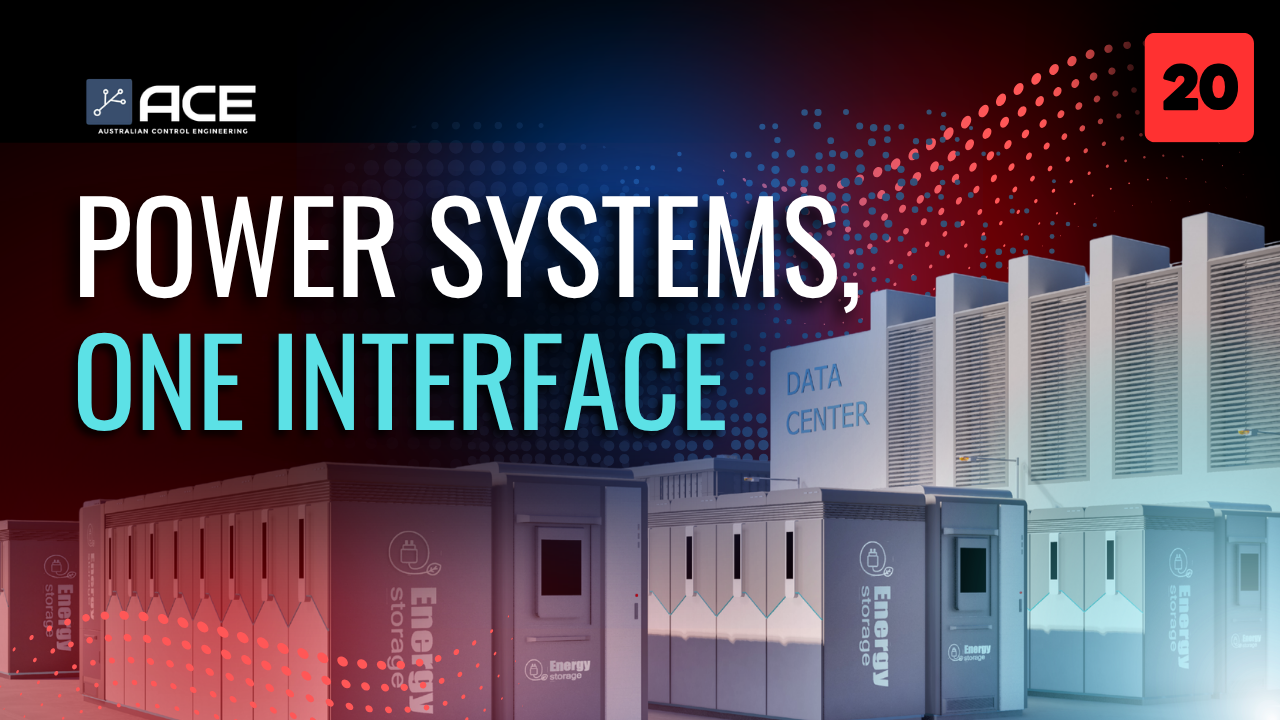
In this second part of our Solar Farm and BESS SCADA integration series, we dive into the common communication issues that arise during SCADA integration and how to avoid them. Discover how poor system design and misaligned communication protocols can impact solar and BESS operations—and learn how ACE’s expertise ensures seamless integration for optimized energy production and reduced operational costs. Stay ahead of potential system failures and ensure your renewable energy assets run smoothly and efficiently.